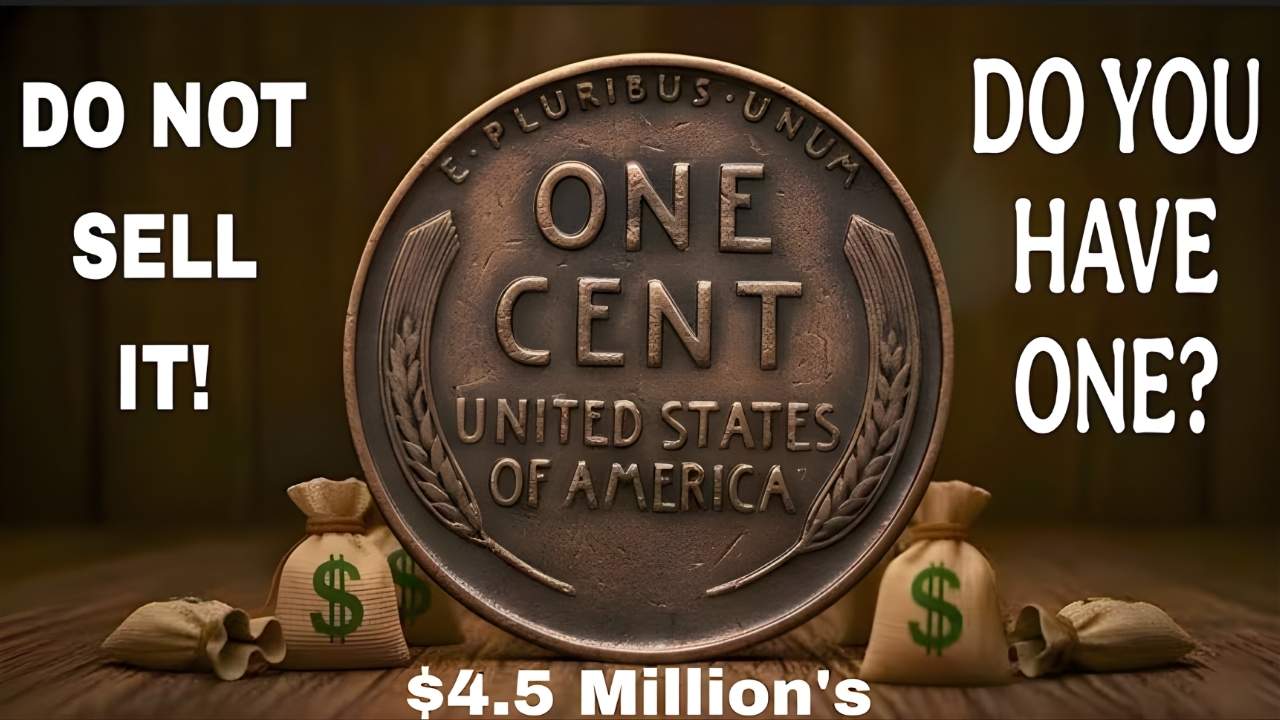
Rare Lincoln Wheat Penny Worth $576,000: The Lincoln Wheat Penny is one of the most beloved coins in American numismatics. First introduced in 1909 to honor the centennial of Abraham Lincoln’s birth, it quickly became a staple of everyday commerce and a favorite among collectors. While most Wheat Pennies are worth only a few cents above face value, certain rare varieties can command extraordinary sums. In 2026, one such coin has captured headlines and collector interest, with a value reaching an astonishing $576,000.
The Origins of the Wheat Penny
The Wheat Penny was designed by Victor David Brenner and features Lincoln’s portrait on the obverse and two wheat stalks on the reverse. This design remained in use until 1958, when it was replaced by the Lincoln Memorial reverse. The Wheat Penny era is especially prized by collectors because of its historical significance and the rarity of certain mintages.
Mint Marks and Their Importance
Mint marks are small letters on coins that indicate where they were produced. For Wheat Pennies, the following mint marks are key:
- P (Philadelphia) – Often the most common, though Philadelphia did not use a mint mark until 1980.
- D (Denver) – Widely produced, with some years showing unique varieties.
- S (San Francisco) – Lower mintages in many years, making them more desirable.
Collectors pay close attention to mint marks because they can dramatically affect value. For example, the 1909-S VDB Wheat Penny is one of the most famous and valuable Lincoln Pennies due to its low mintage and distinctive initials.

The Rarity of High-Value Wheat Pennies
While most Wheat Pennies are worth modest amounts, certain key dates and mint marks stand out. Coins such as the 1914-D, 1922 no D, and 1931-S are highly sought after. The rarest examples are those that combine low mintage, historical significance, and pristine condition. In 2026, one Wheat Penny has reached a collector’s value of $576,000, underscoring the extraordinary demand for rare varieties.
Rare Errors That Increase Value
Error coins are highly prized because they are accidental and scarce. Some notable Wheat Penny errors include:

- Double die obverse (1955, 1944-D, 1946) – Coins with doubled lettering or numbers, often commanding high premiums.
- Off-center strikes – Misaligned designs that can range from minor to dramatic.
- Clipped planchets – Coins missing a portion of the metal blank.
- Wrong planchet errors – Pennies struck on blanks intended for other denominations.
These errors can elevate a coin’s worth from a few dollars to hundreds or even thousands depending on rarity and demand.
Collector Grading Guide
Grading is essential in determining a coin’s value. The main categories are:
- Circulated coins (Grades G–VF) – Usually worth modest premiums unless rare dates or errors are present.
- Uncirculated coins (MS60–MS70) – Higher grades command significant premiums, with MS70 being flawless and extremely rare.
- Proof coins (PR65–PR70) – Specially struck for collectors, often more valuable due to mirror-like finishes and limited production.
Professional grading services such as PCGS and NGC provide authentication and standardized grading, which greatly influences market value and buyer confidence.
Value Trends in 2026
Lincoln Wheat Pennies remain popular among collectors in 2026, with values varying widely depending on year, mint mark, and condition.

- Common Wheat Pennies – Typically trade at a few cents to a few dollars.
- Key dates (1909-S VDB, 1914-D, 1922 no D, 1931-S) – Can reach thousands of dollars in high grades.
- Proof and special issues – Often attract premiums due to limited mintage and superior finish.
- Error coins – Values can range from $50 to several thousand depending on the error type and grade.
- Exceptional rarities – The rare Wheat Penny valued at $576,000 demonstrates the extraordinary potential of certain coins.
The market remains strong for rare varieties, especially double die errors and key date Wheat Pennies.
Tips for Collectors
For those interested in building a Lincoln Wheat Penny collection, several strategies can help maximize value and enjoyment:
- Focus on key dates and mint marks – These are the backbone of any valuable collection.
- Inspect for errors – Even small mistakes can add significant value.
- Invest in grading – Certified coins hold stronger resale value and provide assurance of authenticity.
- Store properly – Use coin holders or albums to prevent damage and preserve condition.
Patience and attention to detail are essential, as rare finds often come from careful examination of coins that others overlook.
The Role of Wheat Pennies in Modern Numismatics
The Lincoln Wheat Penny is more than just a coin. It is a symbol of American history, a tribute to one of the nation’s greatest leaders, and a cornerstone of coin collecting. Its long production run, design changes, and numerous varieties make it one of the most studied and collected coins in the world. In 2026, collectors continue to cherish Wheat Pennies for their historical significance and investment potential.
Conclusion
The rare Lincoln Wheat Penny worth $576,000 highlights the enduring appeal of this coin. While most examples remain modest in value, rare mint marks, key dates, and error varieties can command impressive premiums. For collectors, careful attention to grading, preservation, and historical context ensures that Lincoln Wheat Pennies remain a rewarding pursuit well into the future.