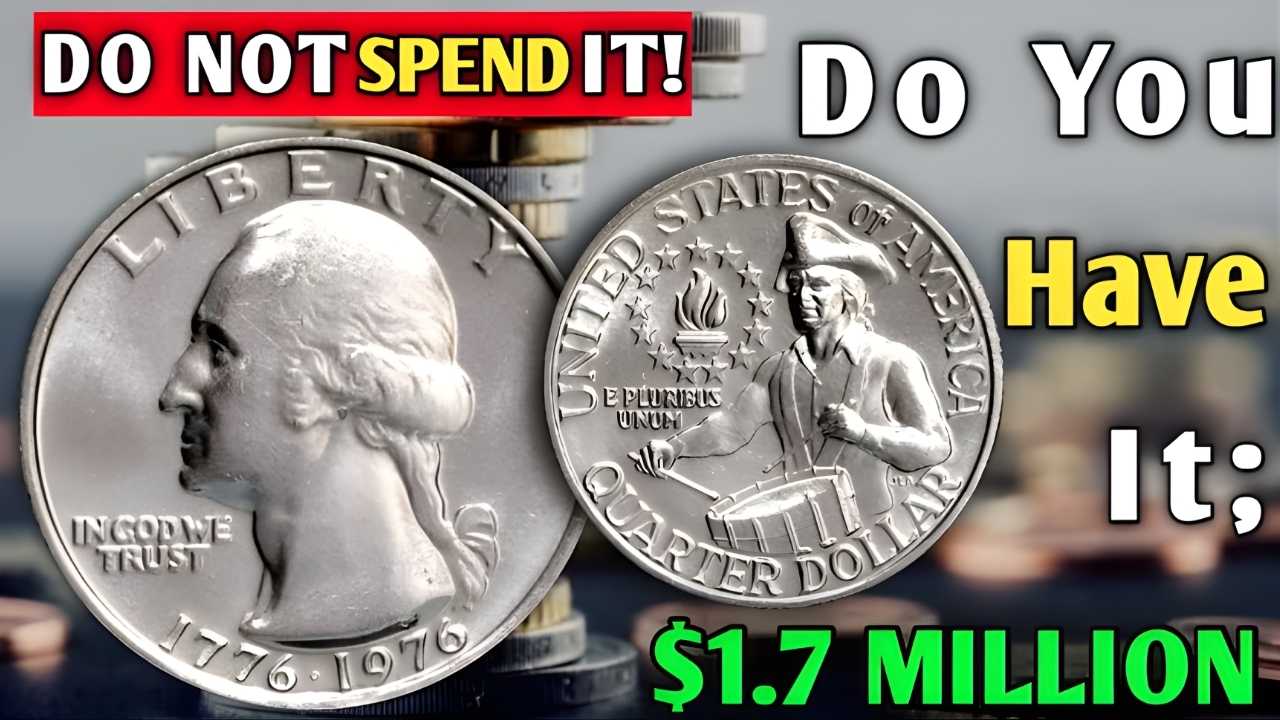
Bicentennial Quarter Secrets: Coin collecting is a hobby that blends history, artistry, and the thrill of discovery. Among the most celebrated coins in American numismatics are the Bicentennial quarters, minted in 1975 and 1976 to honor the 200th anniversary of the United States. These coins were distinctive because they carried a special reverse design featuring a colonial drummer and a torch surrounded by thirteen stars. Millions of these quarters were produced, and they quickly became a symbol of national pride. While most Bicentennial quarters are worth only their face value, certain rare varieties and error coins have become legendary, with one specimen reportedly valued at $3.2 million.
The Story Behind the Bicentennial Quarter
The Bicentennial quarter was part of a larger program that included special designs for the half dollar and dollar coins. The quarter’s reverse was designed by Jack L. Ahr, who won a national competition to create the commemorative artwork. The obverse retained George Washington’s portrait but was updated with the dual date “1776–1976.” These coins were struck in both copper nickel and 40 percent silver versions, with the silver issues sold in collector sets. The widespread circulation of the Bicentennial quarter made it a familiar sight in pockets and purses across America during the mid 1970s.
Why One Bicentennial Quarter Is Worth $3.2 Million
The extraordinary valuation of a Bicentennial quarter stems from a combination of rarity, condition, and unique characteristics. Certain error coins, struck on the wrong planchet or with unusual minting mistakes, can command astronomical prices. In addition, coins preserved in pristine condition, graded at the highest levels by professional services, are highly sought after. The $3.2 million Bicentennial quarter is believed to be a rare error coin struck in silver with exceptional quality and provenance. Its rarity and historical significance make it one of the most valuable modern quarters ever recorded.
Factors That Influence Value
Collectors evaluating Bicentennial quarters should consider several key factors that determine value:
- Mint Marks: Coins minted in Philadelphia carry no mint mark, while those from Denver (D) and San Francisco (S) are marked accordingly. San Francisco issues in silver proof sets are especially desirable.
- Condition: Coins in uncirculated or proof condition are worth more than circulated examples. Professional grading can significantly increase value.
- Errors and Varieties: Mistakes such as double dies, off center strikes, or wrong planchet errors can make a coin unique and highly valuable.
- Metal Content: Silver Bicentennial quarters are more valuable than copper nickel versions, especially in pristine condition.
- Historical Appeal: Coins tied to the Bicentennial celebration carry added significance, making them popular among collectors.
Common Bicentennial Quarter Errors
Error coins are among the most exciting finds for collectors. Bicentennial quarters have produced several notable varieties:
- Double Die Obverse or Reverse: Doubling of the date or lettering creates a striking visual effect.
- Off Center Strikes: Coins struck off center show a misaligned design, which increases rarity.
- Wrong Planchet Errors: Some quarters were mistakenly struck on planchets intended for other denominations, such as dollar coins.
- Clipped Planchets: A curved or straight clip on the edge of the coin indicates a minting mistake.
- Die Cracks and Cuds: Damage to the dies can leave raised lines or blobs of metal on the coin’s surface.
How to Spot Rare Bicentennial Quarters
Identifying valuable Bicentennial quarters requires careful observation and knowledge. Collectors should:
- Examine Coins Closely: Use magnification to check for doubling, cracks, or unusual features.
- Check the Edges: Look for clips or irregularities along the rim.
- Compare with Standard Examples: Having a normal coin for comparison makes it easier to spot differences.
- Look for Misalignment: Off center strikes are often visible without magnification.
- Research Documented Errors: Familiarize yourself with known varieties to know what to look for.
The Importance of Coin Grading
Professional grading is essential for establishing the true worth of a coin. Grading companies evaluate coins based on strike quality, luster, surface preservation, and eye appeal. For error coins, the clarity and severity of the mistake also play a role in value. A coin graded as Mint State with a dramatic error can command a much higher price than a circulated example with a minor flaw. Collectors should consider professional grading for coins they believe may be rare or valuable.
Building a Collection of Bicentennial Quarters
Bicentennial quarters are an exciting addition to any collection. Building a collection focused on these coins requires patience and persistence. Collectors can search through rolls of coins from banks, examine pocket change, or purchase coins from dealers and auctions. Specializing in Bicentennial quarters allows collectors to develop expertise and pursue specific varieties. Over time, a well curated collection of these coins can become both a source of enjoyment and a valuable investment.
The Investment Potential of Rare Quarters
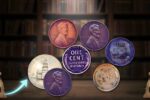
Rare quarters are not only fascinating collectibles but also potential investments. Their rarity and uniqueness make them attractive to collectors and investors alike. While not every Bicentennial quarter will reach million dollar values, certain dramatic errors and pristine silver proofs can appreciate significantly over time. The market for rare coins remains strong, with collectors willing to pay premiums for unusual and well preserved examples. For those interested in combining hobby and investment, Bicentennial quarters offer an appealing opportunity.
The Future of Coin Collecting
Coin collecting continues to evolve as new generations discover the hobby. The popularity of Bicentennial quarters demonstrates that collectors are not only interested in historic pieces but also in contemporary issues. Advances in technology make it easier to share information, buy and sell coins online, and connect with other enthusiasts. The story of the $3.2 million Bicentennial quarter shows that even modern coins can hold surprises and value. As collectors continue to explore their pocket change and coin rolls, more discoveries are likely to emerge.
Conclusion
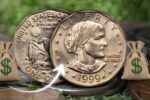
The Bicentennial quarter is more than just a commemorative coin. It is a symbol of history, artistry, and national pride. While most examples are worth only their face value, certain rare varieties and error coins can reach astonishing values, as demonstrated by the record breaking $3.2 million specimen. For collectors, the lesson is clear: pay attention to mint marks, condition, and varieties. Learn the art of grading and build your collection with care. Whether you are searching for a six figure rarity or simply enjoying the beauty of coins, the world of numismatics offers endless opportunities for discovery and growth. The thrill of spotting a rare coin and adding it to your collection is a reward that goes beyond money, connecting you to history and preserving it for future generations.