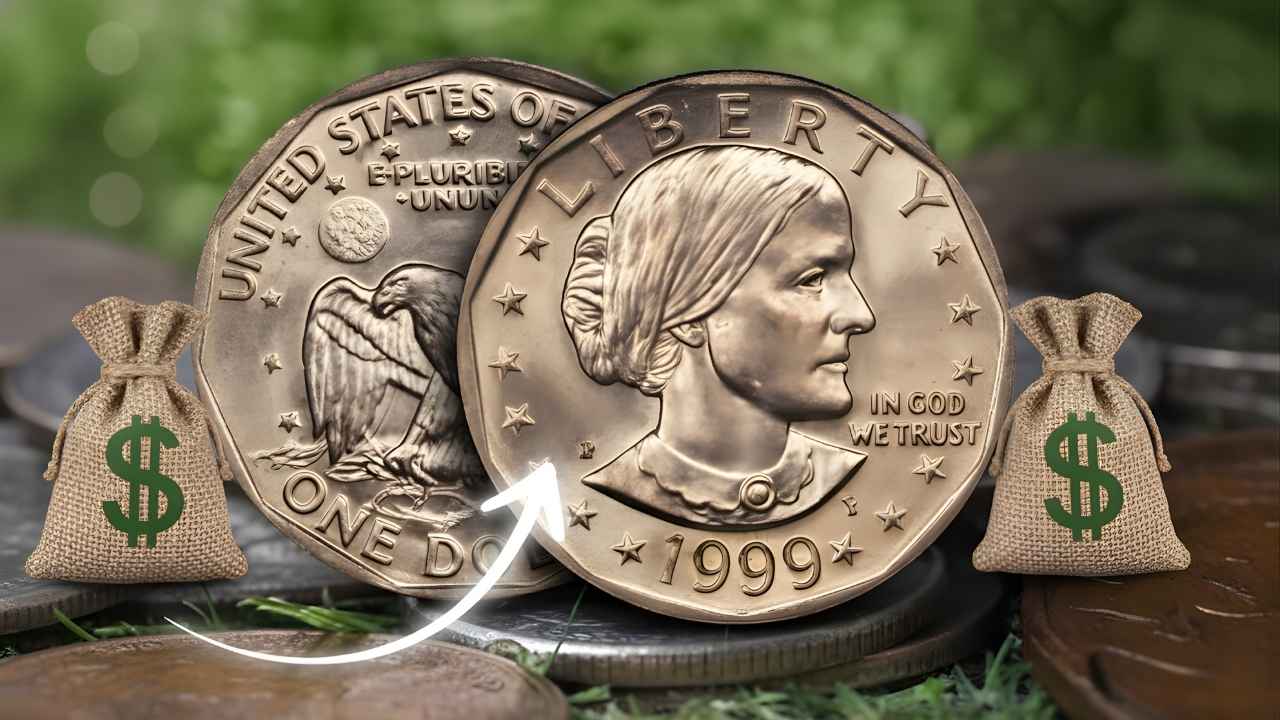
$1.1 Million Mercury Dime: Coin collecting has always been more than a hobby. It is a journey into history, art, and economics. Every coin tells a story about the time it was minted, the people who used it, and the culture it represents. Among the most captivating coins in American history is the Mercury dime, a small silver coin that has captured the imagination of collectors worldwide. While most Mercury dimes are worth only a few dollars, one particular specimen shocked the numismatic world when it sold for $1.1 million. This extraordinary sale has inspired collectors to look more closely at their own coins, hoping to discover hidden treasures.
The Story of the Mercury Dime
The Mercury dime was minted in the United States from 1916 to 1945. Officially called the Winged Liberty Head dime, it features a portrait of Liberty wearing a winged cap, symbolizing freedom of thought. The design was created by sculptor Adolph A. Weinman, who also designed the Walking Liberty half dollar. Collectors nicknamed the coin the Mercury dime because Liberty’s winged cap resembled the Roman god Mercury. Struck in 90 percent silver, these dimes circulated widely during the Great Depression and World War II, making them a common sight in pockets and purses of the era.
Why One Mercury Dime Sold for $1.1 Million
The record-breaking Mercury dime was a 1916-D, minted in Denver. What made it so valuable was its rarity combined with pristine condition. Only 264,000 of these coins were produced, a very low number compared to other years. Most were heavily circulated, but the million-dollar specimen survived in virtually perfect condition, graded as MS67 Full Bands by professional coin graders. The “Full Bands” designation refers to the horizontal bands on the fasces on the reverse side of the coin. When these bands are fully visible and unbroken, it indicates a sharp strike and adds significant value. The combination of rarity, condition, and demand pushed this coin into the million-dollar range.
How to Spot Rare Coins in Your Collection
Finding a rare coin is not always about luck. It requires knowledge, patience, and a careful eye. Here are some key factors to consider when examining your coins:

- Mint Marks: Look for small letters on the coin that indicate where it was minted. For Mercury dimes, the mint mark is located on the reverse side near the bottom left. Coins from Denver (D) and San Francisco (S) often have lower mintages than those from Philadelphia.
- Year of Issue: Certain years are more valuable due to limited production. For Mercury dimes, the 1916-D is the most famous rarity, but other years like 1921 and 1926-S are also scarce.
- Condition: Coins that show little wear are worth more. Collectors use grading systems ranging from Poor to Mint State. Even a common coin can be valuable if it is in exceptional condition.
- Errors and Varieties: Some coins have mistakes made during minting, such as doubled dies or off-center strikes. These errors can make a coin unique and highly desirable.
- Silver Content: Mercury dimes are 90 percent silver, so even worn examples have intrinsic value based on silver prices.
The Importance of Coin Grading
Professional grading is essential in determining the true value of a coin. Grading companies such as PCGS and NGC evaluate coins based on strike, luster, surface preservation, and eye appeal. A coin graded MS65 or higher is considered gem quality. For rare coins like the 1916-D Mercury dime, grading can mean the difference between a coin worth a few thousand dollars and one worth over a million. Collectors should learn the basics of grading but rely on professional services for high-value coins.
Building a Strong Coin Collection
A successful coin collection is built with strategy and passion. Here are some tips to help collectors strengthen their holdings:
- Focus on a Theme: Some collectors specialize in a particular series, such as Mercury dimes, while others collect coins from a certain era or country.
- Set a Budget: Rare coins can be expensive, so it is wise to establish a budget and stick to it.
- Buy Quality Over Quantity: A few high-grade coins are often more valuable than a large number of worn examples.
- Learn Continuously: Read books, attend coin shows, and join collector clubs to expand your knowledge.
- Store Properly: Coins should be kept in protective holders and stored in a cool, dry environment to prevent damage.
The Thrill of the Hunt
Part of the excitement of coin collecting is the possibility of discovering a hidden gem. Many collectors have stories of finding rare coins in old family collections, inherited boxes, or even pocket change. While the chances of finding a million-dollar Mercury dime are slim, there are countless other coins worth hundreds or thousands of dollars waiting to be discovered. The hunt itself is rewarding, as it connects collectors to history and gives them a sense of accomplishment.
The Future of Rare Coin Collecting
The market for rare coins continues to grow as more people recognize their historical and financial value. Coins are tangible assets that can serve as both collectibles and investments. With increasing interest from younger generations, coin collecting is evolving into a vibrant community that blends tradition with modern technology. Online auctions, digital catalogs, and grading services have made it easier than ever to buy, sell, and research coins. The story of the $1.1 million Mercury dime serves as a reminder that treasures still exist and that knowledge and dedication can lead to extraordinary discoveries.
Conclusion
The Mercury dime is a symbol of artistry, history, and rarity. While most examples are modestly priced, the legendary 1916-D in pristine condition proved that even the smallest coin can hold immense value. For collectors, the lesson is clear: pay attention to mint marks, years, condition, and varieties. Learn the art of grading and build your collection with care. Whether you are searching for a million-dollar rarity or simply enjoying the beauty of coins, the world of numismatics offers endless opportunities for discovery and growth. The thrill of spotting a rare coin and adding it to your collection is a reward that goes beyond money, connecting you to history and preserving it for future generations.